Free Service Call With Any Repair
619-339-5682 858-208-3549MD Appliance LLC offers Washer Repair San Diego services. We are a locally owned and operated business specializing in repairing brands like Bosch, Miele, LG, Samsung, Whirlpool, Frigidaire, GE, Maytag and more.
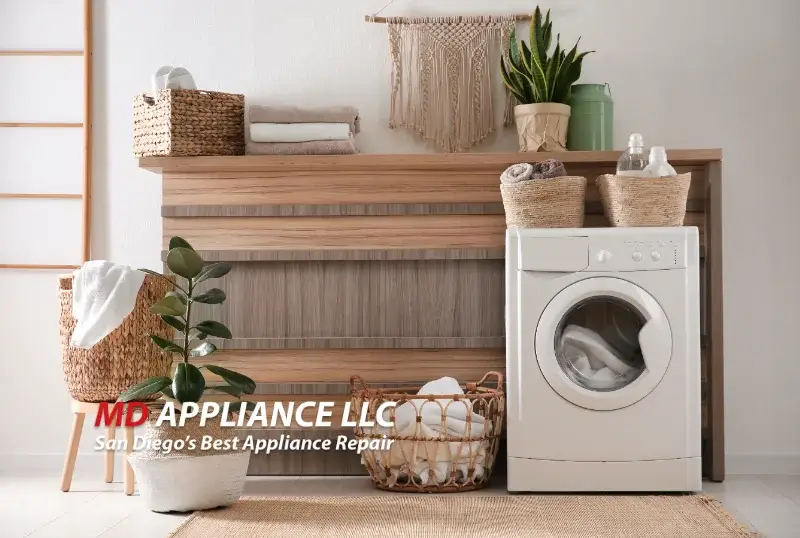
We use only genuine OEM parts and stock many of them in our service vehicles, allowing our San Diego technicians to complete appliance repairs quickly and correctly on the first visit.
With modern diagnostic tools and extensive technical knowledge, our technicians quickly identify problems and provide long-lasting appliance repairs in San Diego.
We offer same-day or next-day appointments, a two-hour arrival window, a courtesy call before your appointment, and flexible date and time options.
Schedule your washer repair today!
Our team of experienced technicians is ready to assist you with all your appliance repair needs. Contact us now to schedule an appointment!
MD Appliance LLC offers washer repair services in San Diego, CA. We specialize in servicing all dishwasher models and brands. Our experienced technicians handle issues from simple fixes to complex repairs. Whether your dishwasher is leaking, not draining, or making unusual noises, we have the expertise to diagnose and resolve the problem efficiently.
At MD Appliance LLC, we understand how important a fully functioning washer is in your everyday life. That's why we provide professional, reliable, and affordable washer repair services in San Diego, CA. Our trained technicians use advanced diagnostic tools and genuine replacement parts to ensure lasting repairs. We handle issues from drainage and spinning problems, faulty pumps, broken door seals, and electronic control malfunctions. We service major brands like Bosch, Miele, KitchenAid, Thermador, Gaggenau, and more.
The "SUD" error is not critical, but it signals that the machine is struggling with excessive suds. Consistently using too much detergent may cause drainage problems or reduce cleaning effectiveness over time.
The SUD error is the most common washing machine issue and indicates excessive soap residue. Using more detergent does not improve cleaning and often causes this error. Non-he detergents (high-efficiency detergents) can also trigger it. To prevent excessive suds, run a cleaning cycle with cleaning tablets once or twice a week.
There are several reasons why your washer might not drain water:
Possible causes:
A leaky washing machine can cause significant property damage. If you see water leaking from your washer, the first thing to do is check the fill hoses and connectors for leaks. A damaged tub or internal damage to the washer could also be a potential cause of the leak. You can prevent washer water leaks with regular maintenance inspections.
Possible causes:
The spinning cycle of the washing machine is crucial for the cleaning process. When the washer isn't spinning, your clothes won't get properly cleaned. Have you ever been surprised to open your washer and find that your clothes are still soaking wet? There are several possible reasons why your washing machine might not be spinning:
Possible causes:
Your washing machine is a key part of your weekly laundry routine. If it breaks down, it can be a real hassle. Replacing a washer is costly, but you can help yours last longer by doing regular maintenance.
Each month, do a few simple things: clean the drain filter, check the hoses for wear, check the door seal for cracks or mold, and keep the drum clean. Also, listen for any strange noises when the washer runs.
To keep your washer working efficiently, follow these simple preventative maintenance steps:
Regularly cleaning the inside of your washer helps prevent mold and mildew. After doing laundry, wipe the rubber door gasket clean and dry. Keep the detergent dispenser clean to avoid soap buildup by removing and rinsing it with water. Running a "Tub Clean" cycle every 50 wash cycles is also recommended.
Check your water fill hoses often for leaks and damage. To avoid water damage, replace them every five years. Make sure your washing machine is level to minimize vibration and noise. Use a leveling tool to adjust the feet if needed.
For "he" washer models, use high-efficiency ("he") detergent. Use only the recommended amount to prevent suds buildup. If your washing machine has a drain filter, clean it regularly to maintain proper drainage and prevent poor washing performance.
It's a good idea to have a professional check your washer at least once a year. Our trained technician will inspect it, identify any problems, and make the necessary repairs. This helps your washer work well and gives you peace of mind. Regular professional care can boost your washer's performance and help it last longer.
MD Appliance LLC provides professional washer repair services throughout the greater San Diego area. Our experienced technicians are available to serve residential customers across the following communities.
We Repair All Major Washer Brands And Models
Get tips, maintenance advice, and troubleshooting guides for appliance repair in San Diego. Our blog serves as an educational source for all things related to appliance maintenance and repair.